






Cis2019

Tower X Trading Platform Review 2026: How Italian Investors Are Using This Online Trading Tool to Navigate Volatile Markets

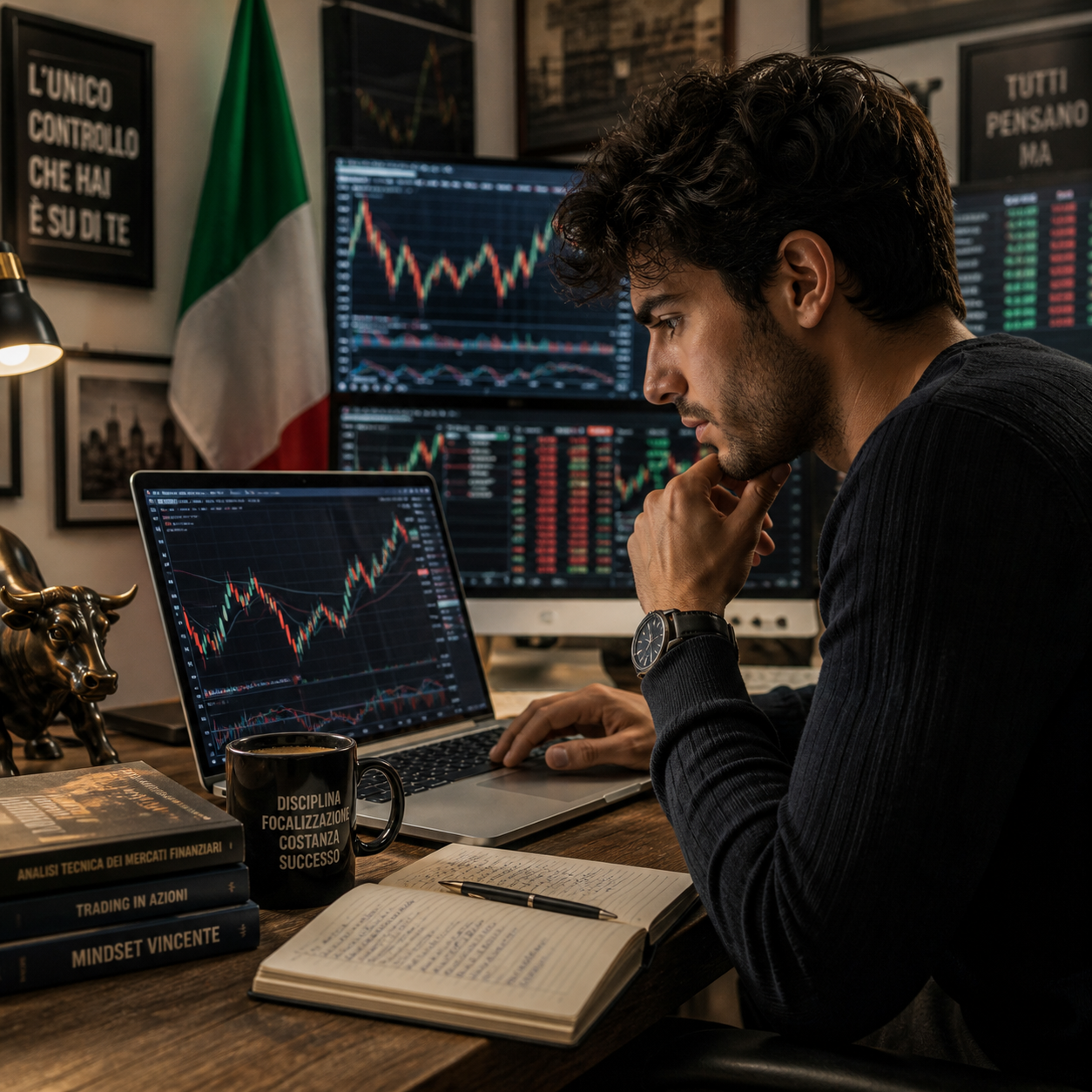
I've spent the better part of this year talking to Italian traders—friends, readers, and a few strangers I met at a fintech meetup in Milan—about how they're handling the market swings we've seen throughout 2026. One name kept coming up again and again: Tower X. So I decided to dig into it properly, test the platform myself, and put together an honest review of what it actually offers Italian investors right now.

What Is Tower X and Why Italian Traders Are Talking About It

Tower X is an online trading platform that gives retail investors access to a broad mix of global markets—stocks, forex pairs, commodities, and major indices—all from a single dashboard. It's not a brand-new player, but 2026 seems to be the year it really caught fire among Italian users, largely because volatility hasn't let up. Between energy price fluctuations, shifting ECB policy signals, and general macroeconomic jitters across the eurozone, people want tools that let them react quickly rather than waiting on a bank advisor to call back.

The Rise of Retail Trading in Italy

Italy has traditionally been a country where investing meant walking into a bank branch and trusting a consulente. That's changing fast. Mobile-first platforms have opened the door for a younger, more self-directed generation of traders who want real-time control over their positions. I've noticed this shift firsthand—my own cousin in Turin, who used to leave everything to his bank, now checks his portfolio on his phone during his lunch break. That kind of behavioral change is exactly what's fueling platforms like Tower X.

Key Features of the Tower X Platform

What struck me first when testing Tower X was how much thought went into accessibility. The platform runs smoothly on both desktop and mobile, and it supports multiple languages including Italian, which honestly matters more than people think when you're trying to interpret market data quickly under pressure. Customer service also had localized support, which cut down on the frustration of dealing with time-zone mismatches or language barriers.

Account types are flexible enough for beginners and more active traders alike, and the asset diversity means you're not locked into just one market. Whether someone wants exposure to Milan-listed equities or wants to hedge with commodities, the range is there.

Trading Tools and Market Analysis Options

The charting suite includes standard technical indicators—moving averages, RSI, Bollinger Bands—plus real-time data feeds that update fast enough to matter during high-volatility sessions. Risk management tools like stop-loss orders and price alerts are built in, which I found genuinely useful during a particularly choppy trading week in early spring. These aren't flashy features, but they're the ones that actually protect capital when markets move against you.

How Italian Investors Are Using Tower X to Navigate Volatile Markets

This is where things get interesting. In conversations with several Italian users, a few clear patterns emerged. Some are using the platform for short-term hedging strategies—opening positions in forex or commodities to offset exposure elsewhere in their portfolio when Italian equities look shaky. Others lean into diversification, spreading smaller amounts across stocks, indices, and commodities rather than betting big on one asset class.

There's also a growing group using short-term trading tactics specifically around EU policy announcements or inflation data releases. When uncertainty spikes, they're not sitting on the sidelines—they're actively positioning, then tightening stop-losses to manage the downside.

For readers curious to see the platform's interface and features in action, visiting tower x offers a direct look at how the tool supports real-time decision-making during turbulent trading sessions. It's worth spending time in a demo environment before committing real capital, especially if you're newer to this kind of active trading style.

Getting Started — Account Setup and Onboarding Process

Setting up an account is fairly straightforward. New users register with basic personal details, then go through a KYC verification process—uploading an ID document and proof of address, which is standard across regulated platforms these days. Once verified, funding the account typically takes a few minutes via bank transfer or card, and from there you're able to place your first trade.

I'll admit the onboarding felt smoother than I expected. No excessive paperwork, no confusing steps that left me guessing what to do next.

Understanding Fees, Spreads, and Withdrawal Terms

For Italian traders, cost structure matters a lot when comparing platforms. Tower X operates primarily in EUR-based transactions, which helps avoid unnecessary currency conversion fees for local users. Spreads vary depending on the asset—tighter on major forex pairs, wider on less liquid commodities—which is fairly typical across the industry. Withdrawal terms were reasonable in my testing, though I'd always recommend reading the fine print on processing times before assuming instant access to funds.

Benefits and Limitations of Trading with Tower X

On the positive side, the flexibility, market access, and tool set genuinely stand out. It's a platform that gives Italian retail investors options that used to be reserved for institutional players or people with expensive advisors.

  • Advantages: Multilingual support, diverse asset classes, mobile accessibility, useful risk management tools.
  • Limitations: There's a learning curve for newcomers, real market risk exposure that no tool can eliminate, and it demands genuine self-discipline to avoid emotional decision-making during sharp swings.

I say this often, and I'll say it again here: no platform, no matter how well designed, replaces the need for a clear trading plan.

Best Practices for Trading in Volatile Conditions

Based on what I've seen work for Italian traders using Tower X, a few habits stand out:

  • Always set stop-losses before entering a position—don't wait until you're already down.
  • Avoid overleveraging, especially during periods of heightened uncertainty like ECB rate decisions.
  • Diversify across sectors rather than concentrating in one industry or asset type.
  • Stay informed on macroeconomic news affecting both Italian and broader EU markets—timing matters.

These aren't groundbreaking tips, but the traders who stick to them consistently seem to fare better than those who trade on impulse.

Final Thoughts — Is Tower X Right for Italian Investors in 2026?

After spending real time with the platform and talking to people actually using it, I'd say Tower X suits active traders and those looking to diversify beyond traditional bank products fairly well. It's not a magic solution—no trading tool is—and market risk remains real regardless of how good the interface looks. But for Italian investors wanting more control during unpredictable market stretches, it's worth exploring carefully, starting small, and making informed decisions before committing significant capital.

{{HOMEPAGE_LINKS}}